Results & Analysis
Here, we discuss the results of our experiments as described in the
previous section.
Testing the Effect of QiD on Task Performance
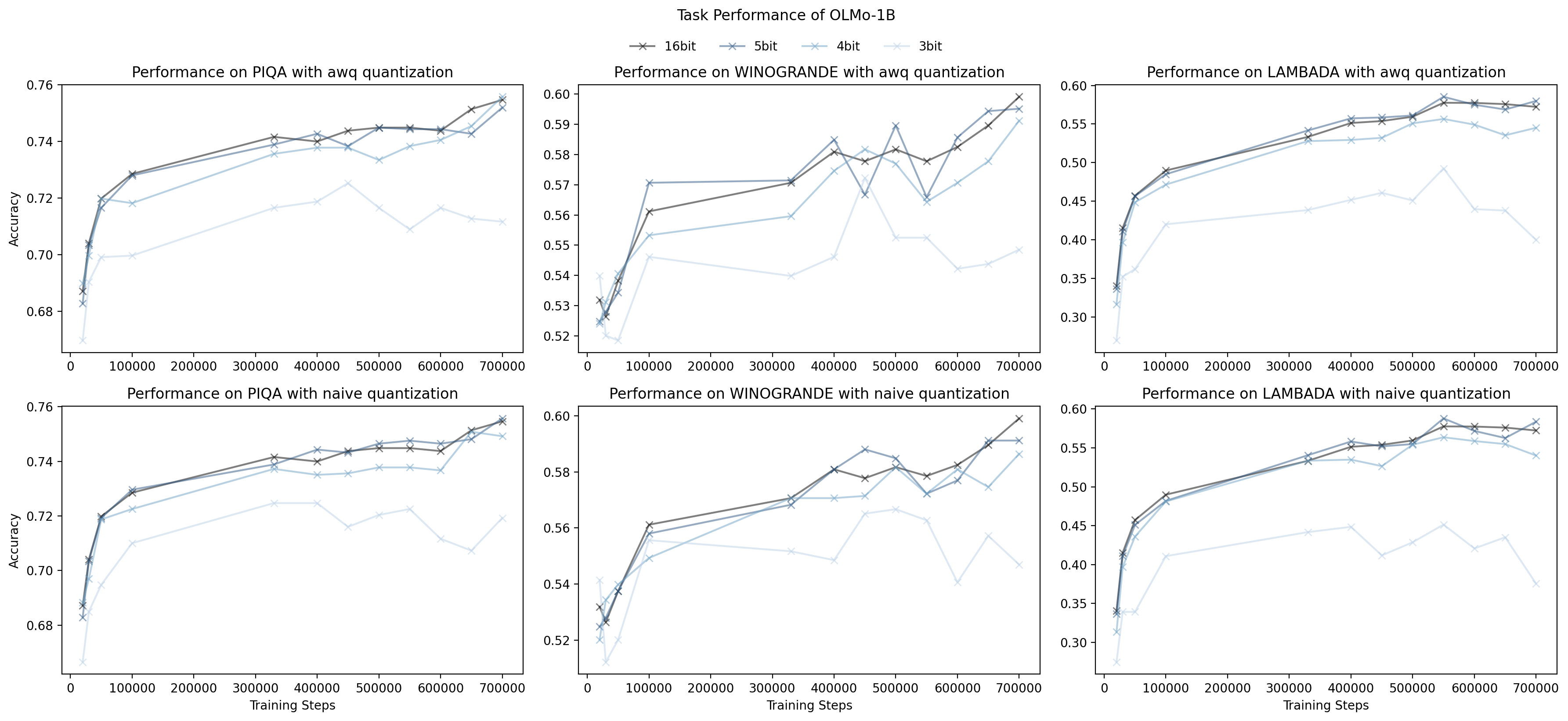
Examining Figure 2, we see that 3 bit quantization has a strong
degradation in task performance for all three datasets, irrespective of
the quantization method. However, we do notice that for 4 and 5 bit
quantization, both naive and AWQ are able to match or nearly match the
performance of full precision across OLMo's training steps, even when
loss is not similar due to QiD. This is an interesting finding and shows
that QiD will not be universal for all things that the model does, and
it suggests that more research is needed into what QiD is doing to the
model and what it impacts.
This also suggests that language modelling loss may not be a perfect
measurement for diagnosing practices that are good and bad for LLMs:
what we care about is task performance, and loss here may be leading us
astray.
Testing the Impact of Activations on QiD
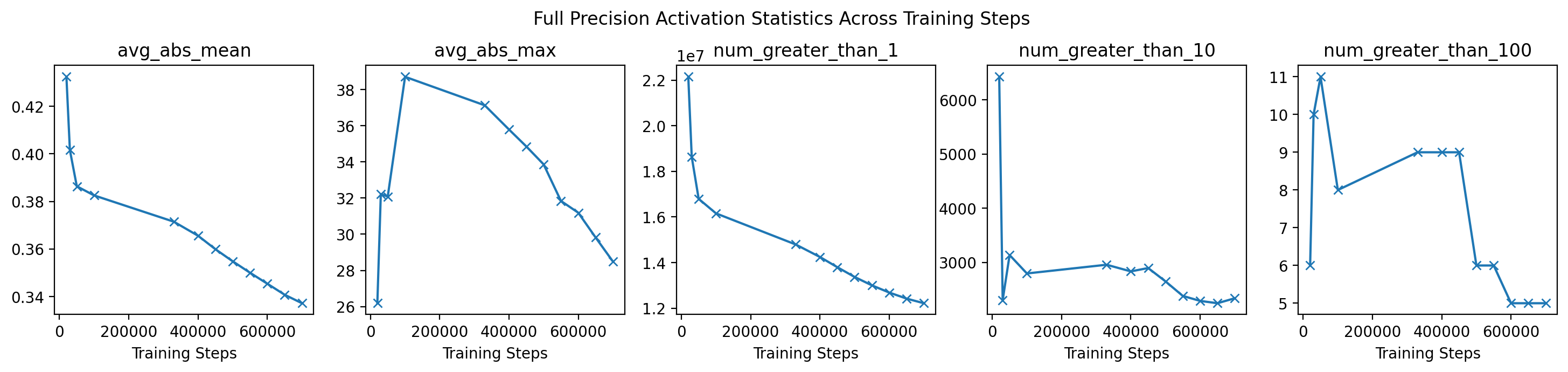
When examining the statistics that we measured from the activations
across training steps, we actually observe the reverse to what we
expected: the size of activations appears to be going down across
training steps, not up. This holds especcially well for the average
absolute mean of the activations and the raw number of activations above
1. Activations may not be the culprit of QiD.
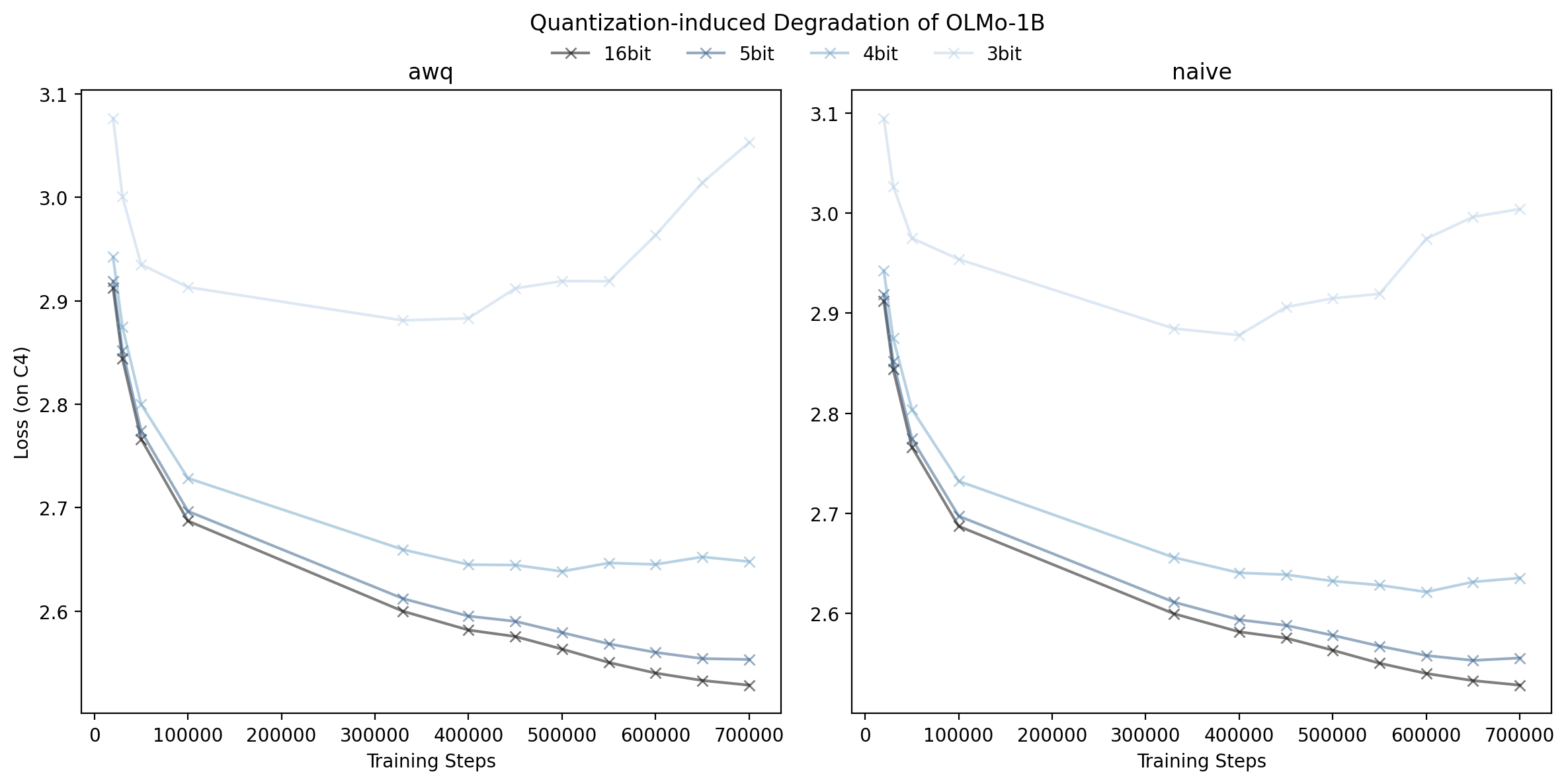
When examining the difference between naive quantization and AWQ, we
find something similar to above: naive quantization and AWQ have very
little difference between both their loss(Figure 1) and task
performance(Figure 2). This further suggests that activations are
unlikely to be causing QiD since naive quantization performs as well as
AWQ.
Because of these two, we have strong reasons to believe that activations
are unlikely to be the cause of QiD.
Testing what Model Component is Causing QiD
Studying the plot for Figure 4, we look for patterns that are different
across training steps, since as training occurs QiD gets worse. Across
training steps and quantization levels, the norm of the activation error
appears to be pretty similar for the attention output, feed forward
projection, and feed forward output layers, regardless of the
quantization technique used. However, We can notice that across training
steps, the norm of the activation error of the attention projection
module clearly grows across training steps. This finding is independent
of quantization technique and the number of bit used for quantization.
This is a
very interesting finding. This suggests that
the attention projection module is responsible for QiD while the
other three modules appear to not have a notable change in activation
error across training steps.
This finding suggests several remedies for future work. Could keeping
the attention projection layer in higher precision, lets say 8bit, while
keeping the other layers in low precision help allieviate QiD?
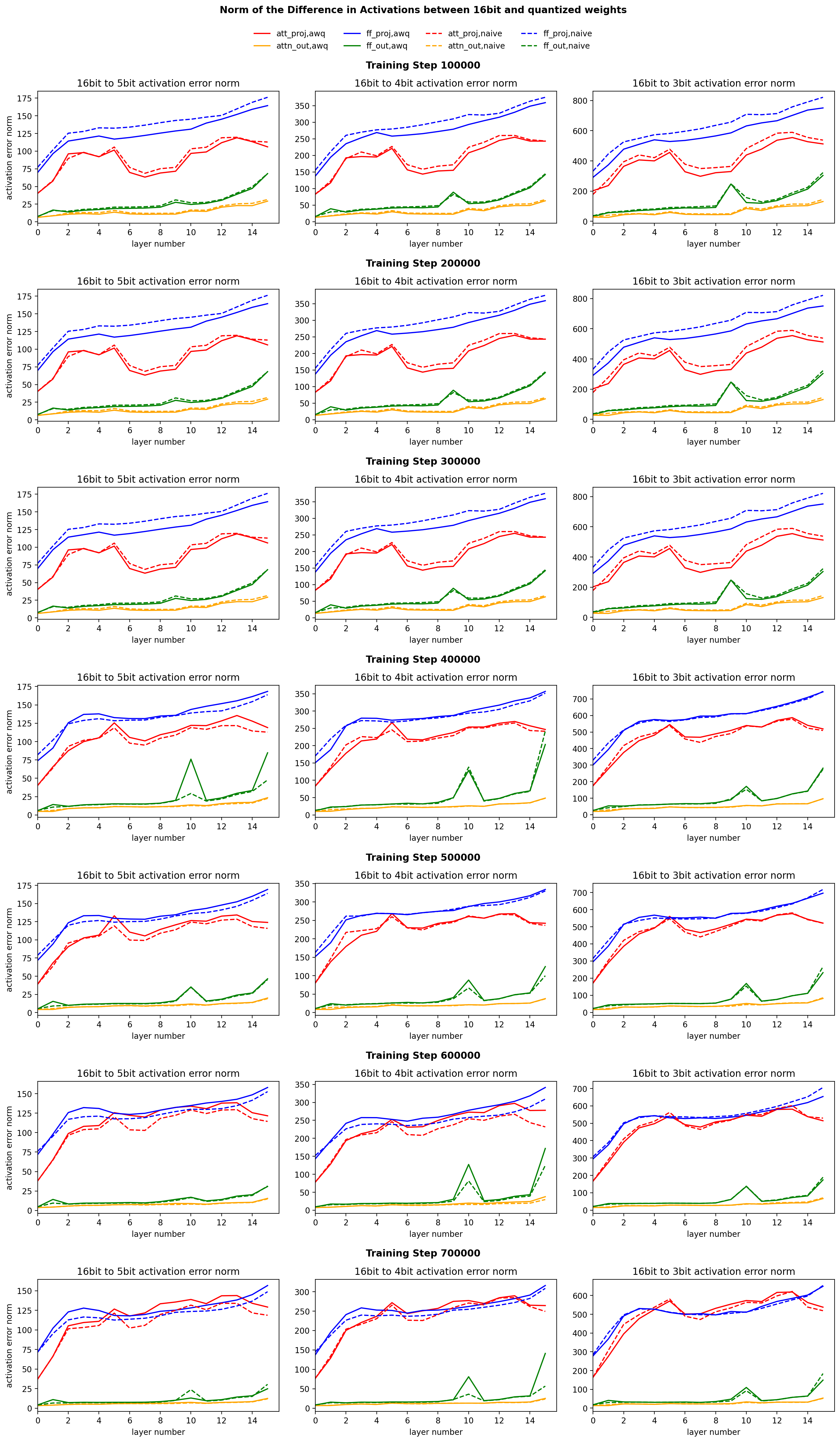
Figure 4: We measure the norm of the difference between the full
precision and quantized activations for each layer number and type. We
consider this the activation quantization error. We see that across
training steps, the loss of the attention output, feed forward
projection, and feed forward output layers have similar error. However,
the attention projection layer (red line) has error that grows across
training steps. This finding holds across different quantization levels.
This suggests that the attention projection layer is reponsible for QiD.